affect vs effect
- affect
- verb: to influenceThe cold weather can affect your mood.
- effect
- noun: a resultThe new rule had a positive effect on sales.
Tip: Affect is usually the Action (verb); effect is the End result (noun).
Affect or effect? Lose or loose? Borrow or lend? 39 pairs and groups of words that English learners and native speakers mix up, each with a one-line rule and example sentences. Then test yourself with a ten-sentence quiz.
Ten sentences, each with a gap. Choose between two or three words that learners often mix up, then see a short rule to remember the difference.
Tip: Affect is usually the Action (verb); effect is the End result (noun).
Tip: Their has "heir" (owner) in it; there has "here" (place); they're = they are.
Tip: If you can say "you are", write you're.
Tip: It's always means "it is" or "it has". The possessive its has no apostrophe.
Tip: Than compares; then is about time.
Tip: Loose has a loose extra o; lose lost one.
Tip: Except has "ex" as in excluding.
Tip: Advice (with c) is the noun; advise (with s) is the verb. Advice is uncountable: some advice, not an advice.
Tip: You borrow from someone; you lend to someone.
Tip: Bring comes here; take goes there.
Tip: You tell someone something; you say something (to someone).
Tip: Make creates something; do carries out a task. Many uses are fixed: make a mistake, do the dishes.
Tip: Fewer things you can count; less of things you can't.
Tip: Many people, much time.
Tip: Since + a starting point; for + a period.
Tip: Quiet (two syllables) is about noise; quite (one syllable) means fairly.
Tip: Who's = who is or who has.
Tip: Too has too many o's; two is a number.
Tip: You remember; someone or something reminds you.
Tip: Raise needs an object; rise does not.
Tip: You lay something; you lie yourself down.
Tip: You hear without trying; you listen on purpose. Listen to something.
Tip: See happens; look and watch are deliberate. Look at a picture, watch TV.
Tip: Economic policy; an economical car.
Tip: A false friend for many learners: sensible means reasonable.
Tip: Actually does not mean "now".
Tip: You can be alone and happy; lonely is a feeling.
Tip: -ed describes the feeling, -ing the cause: interested/interesting, tired/tiring.
Tip: Already in positives, yet in questions and negatives, still for something continuing.
Tip: During the film; while I was watching.
Tip: Beside is a place; besides adds something.
Tip: Dessert has two s's, like "so sweet".
Tip: A principle is a rule; the principal is your pal at school.
Tip: I like compliments; a complement completes.
Tip: Stationery with e is for envelopes.
Tip: A historic day changes history; a historical novel is set in the past.
Tip: Emigrate = exit; immigrate = come in.
Tip: In British English, practice is the noun and practise the verb; American English uses practice for both.
Tip: A career is your working life; a carrier carries people, goods or a disease. Career is stressed at the end: ca-REER.
Most mix-ups fall into one of four groups. Knowing which group a pair belongs to already tells you how to learn it.
| Pair | Rule of thumb |
|---|---|
| affect vs effect | Affect is the action (verb); effect is the result (noun). |
| their / there / they're | Owner / place / they are. |
| its vs it's | It's = it is or it has. The possessive has no apostrophe. |
| then vs than | Than compares; then is about time. |
| lose vs loose | Lose your keys; loose trousers. |
| borrow vs lend | Borrow from someone; lend to someone. |
| say vs tell | Tell someone something; say something. |
| make vs do | Make creates; do performs a task. |
| fewer vs less | Fewer things you can count; less of things you can't. |
| since vs for | Since a point in time; for a period. |
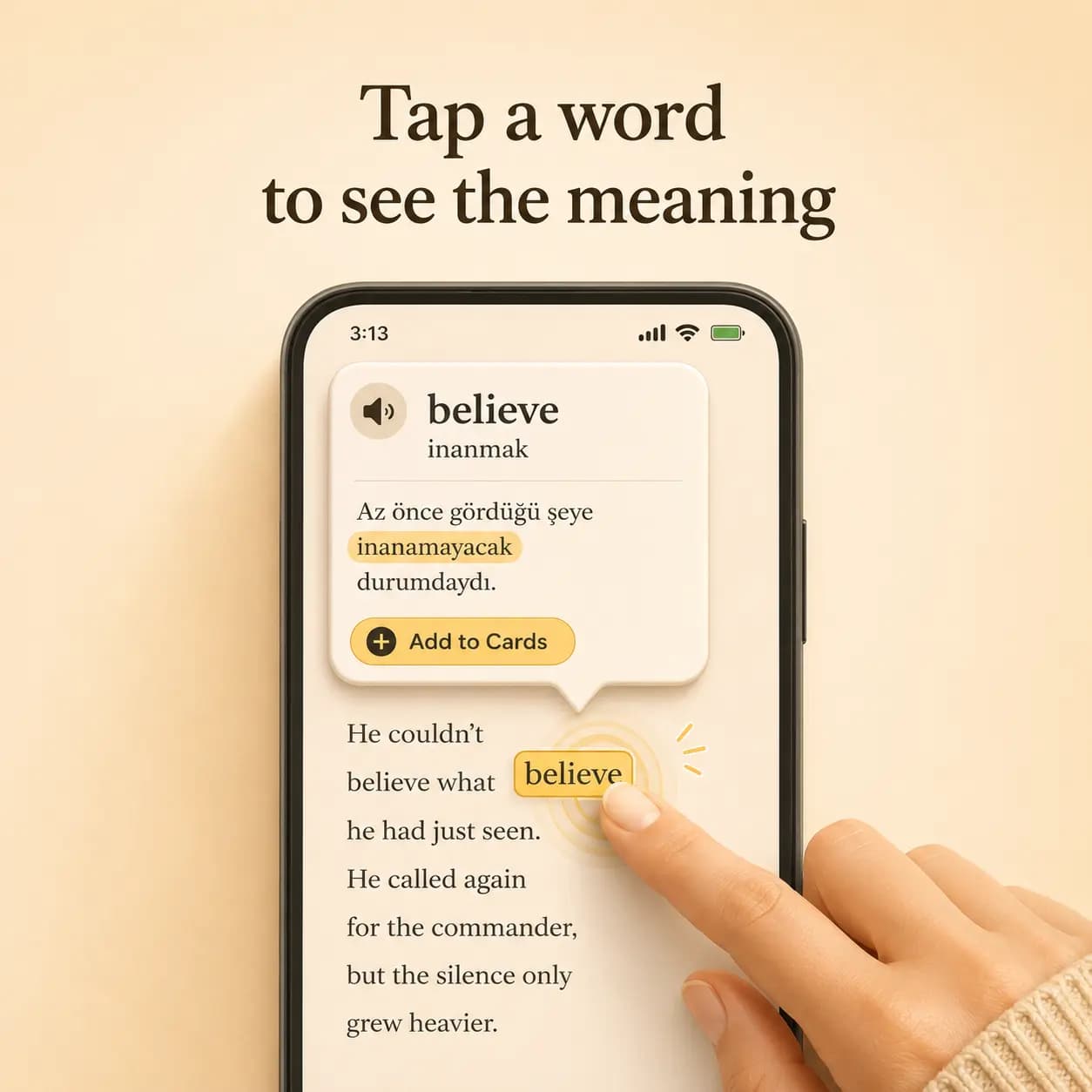
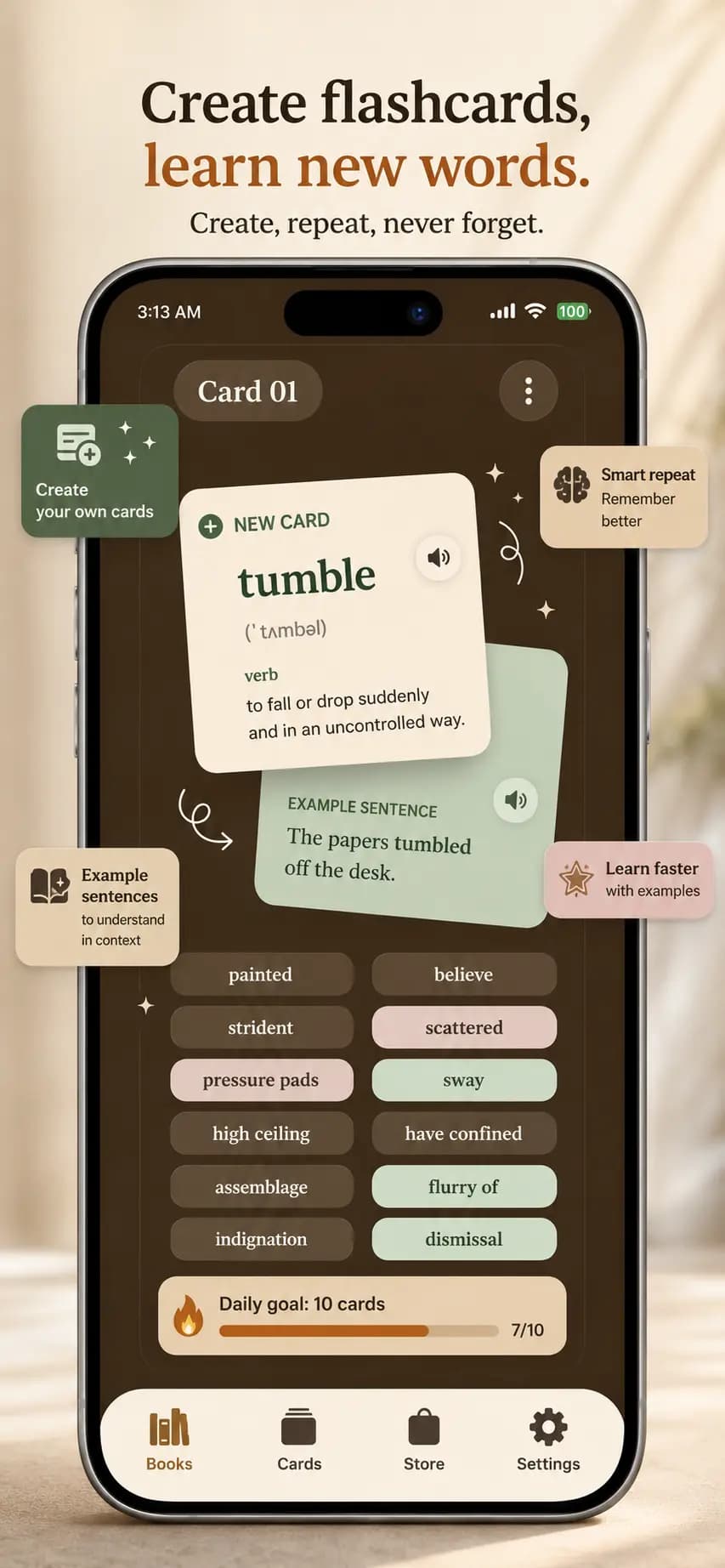
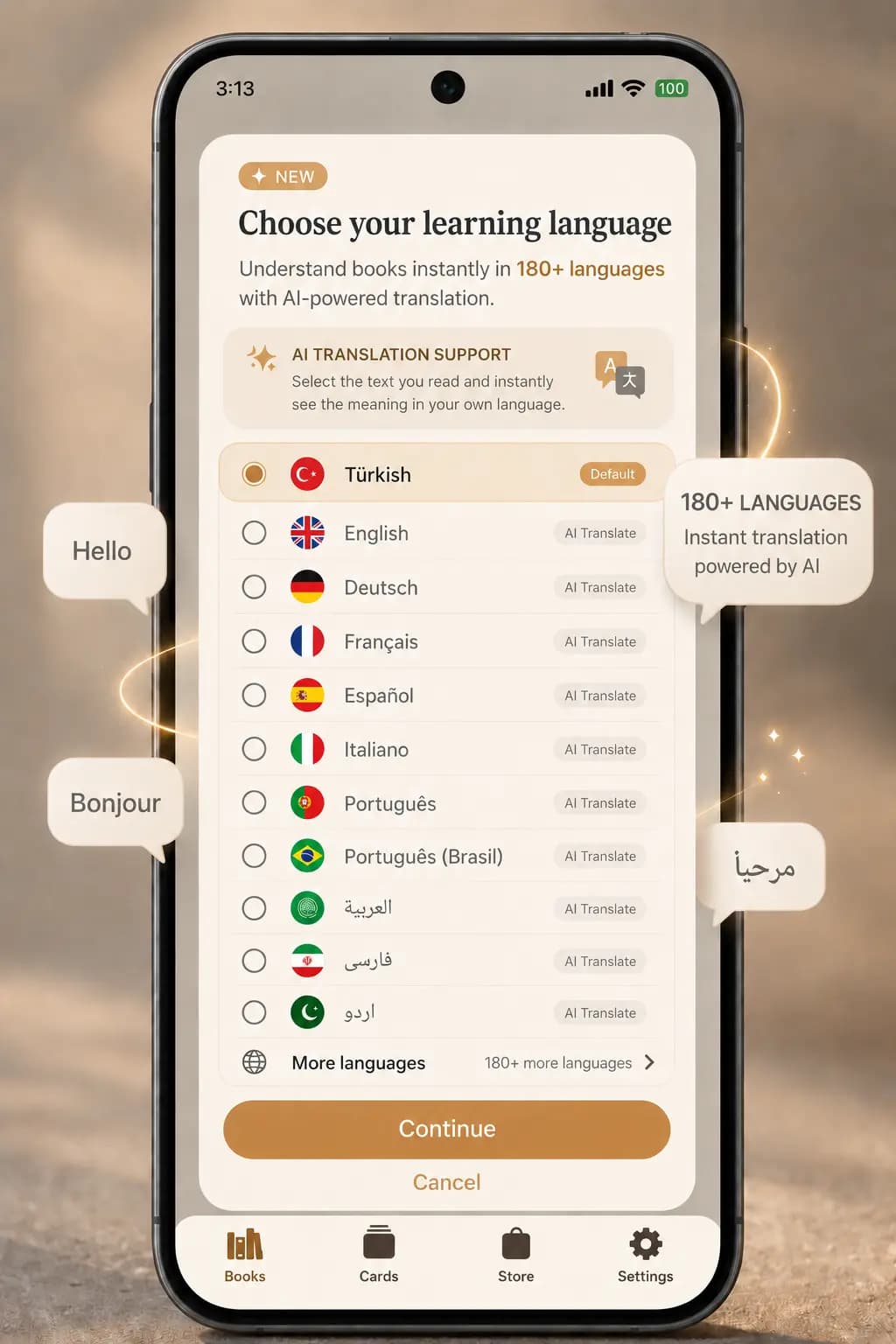
Rules help, but context makes them stick. Read graded books in Okuzeka, tap any word and see what it means in that sentence, in your own language.

In everyday English, affect is a verb meaning to influence (The weather affects my mood) and effect is a noun meaning a result (The weather has an effect on my mood). Tip: Affect is the Action, effect is the End result.
You borrow something from someone (you receive it) and you lend something to someone (you give it). Can I borrow your pen? / Can you lend me your pen? "Can you borrow me…" is not standard English.
Tell is normally followed by the person you are speaking to: She told me the news. Say is not: She said that she was tired, or She said it to me.
Make is for creating or producing something (make a cake, make a decision); do is for tasks and activities (do homework, do the dishes). Many combinations are fixed and simply have to be learned: make a mistake, do your best.
Use fewer with plural countable nouns (fewer cars) and less with uncountable nouns (less traffic). In informal speech less is often heard with plurals, but fewer is correct in writing.
Yes. Press "Print / save as PDF" above the list; only the cards are printed.
Once you know your level, the next step is to read at it. Not sure of your level yet? Take the free English level test.